Can I Sell My House During Foreclosure in New Jersey? Yes — Here's How
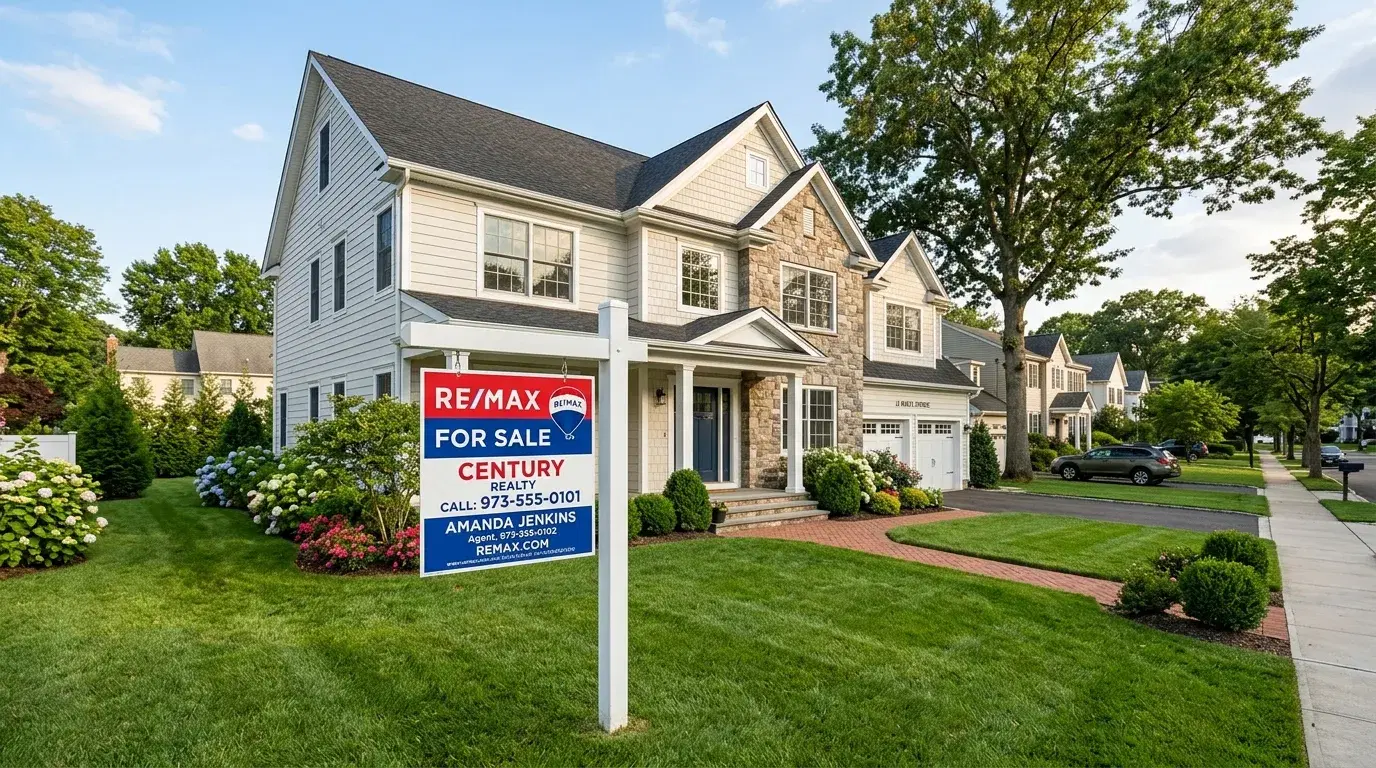
One of the most common questions I get from New Jersey homeowners in foreclosure is some version of this: "The bank already filed — is it even legal for me to sell?"
Yes. You own your home until the sheriff sale transfers the title. Up to that point, you have the legal right to sell it — and in many cases, selling is the single best financial move available to you.
Why the Confusion?
When a lender files foreclosure, they record a lis pendens with the county — a public notice that a court case involves the property. Many homeowners hear about it and assume the house is "frozen." It isn't. What the lis pendens means is that any sale has to deal with the mortgage debt, which is exactly what happens at every normal closing anyway: the mortgage, plus the foreclosure costs and interest, get paid from the sale proceeds, the case gets dismissed, and whatever is left over goes to you. (Here's a full explainer on what a lis pendens does and doesn't mean.)
Scenario 1: You Have Equity — Selling Protects It
This is the scenario where waiting costs the most. Say you owe $250,000 and your home is worth $425,000. If you sell before the sheriff sale, the mortgage and fees get paid and you walk away with the difference — potentially six figures.
If the process runs to a sheriff sale instead, that same equity gets eaten from both ends: the debt grows (default interest, legal fees, court costs) while the auction typically brings less than market value. Homeowners routinely lose equity at sheriff sales that a normal sale would have preserved.
After years of rising New Jersey prices, many homeowners in foreclosure have more equity than they realize. Before you assume you have nothing to protect, find out what the home is actually worth.
Scenario 2: You Owe More Than It's Worth — A Short Sale
If the math runs the other way, you can still sell — with the lender's approval — in a short sale. Lenders approve them because recovering most of the debt now beats spending another year completing the foreclosure. Done right, a short sale usually includes a waiver of the remaining balance and does far less damage to your credit than a completed foreclosure.
How Fast Can It Happen?
It depends on where you are in the process:
- Before or shortly after the complaint is filed: you typically have months. A full market listing — professional photos, real marketing, competing buyers — is realistic and usually nets the most.
- Deep in the process, or with a sheriff sale scheduled: speed becomes the constraint. This is where I bring in my list of vetted cash buyers who pay fair market value — closings in as little as 2–3 weeks, which combined with a sale adjournment is usually fast enough. (If you're already at that stage, read how to stop a sheriff sale in NJ.)
Both paths — full listing and fast cash sale — are laid out side by side on my NJ foreclosure options page.
What Selling During Foreclosure Looks Like in Practice
- Find out the real numbers. Payoff amount from the lender (including fees and interest), and an honest market valuation of the home. This tells you whether you're in the equity scenario or the short-sale scenario.
- Choose the path that fits your timeline. Market listing for maximum price, cash buyer for maximum speed.
- List and disclose properly. The foreclosure doesn't have to be a secret weapon against you — buyers and their attorneys will see the lis pendens in the title search anyway. Handled correctly, it changes nothing about a clean closing.
- Close and settle the case. At closing, the lender is paid from the proceeds, the foreclosure is dismissed, and the sale is recorded like any other.
You keep control of the timeline, the price, and the outcome — three things a sheriff sale takes away.
One Warning
The moment a foreclosure filing becomes public record, the letters and calls start: "We buy houses, any condition, cash today." Some are legitimate investors; many count on your panic to buy at a steep discount. The difference between a fair cash offer and a predatory one is often tens of thousands of dollars. Get an independent read on your home's value before signing anything — it costs you nothing and it's the cheapest insurance there is.
The Bottom Line
Not only can you sell during foreclosure in New Jersey — if you have equity, it's usually the move that protects the most of what you've built. The option that expires is time.
Frequently Asked Questions About Selling a House in Foreclosure in NJ
Can I sell my house in foreclosure in New Jersey?
Yes. In New Jersey, you retain legal ownership of your home until the sheriff's sale is completed and the deed is transferred. Up until the day of the sale, you have the right to sell the property, pay off the mortgage balance and fees, and keep any remaining equity.
How fast can I sell my house before a sheriff sale in NJ?
If you sell to a traditional buyer on the market, it can take 30 to 60 days. If a sheriff sale is approaching quickly, working with a cash buyer can allow you to close in 2 to 3 weeks, and an emergency motion/adjournment can buy additional time to finalize the transaction.
What happens to my equity if I sell my foreclosure home?
All legal fees, back payments, and remaining mortgage balance are paid directly to the lender from the closing proceeds. Any remaining balance (your equity) goes directly to you as the seller.
Want to know what your home would bring, and whether selling makes sense at your stage? See your full set of options on my foreclosure help page, or contact me today for a free, confidential consultation — no pressure, no judgment.
Need Help With Your Real Estate Situation?
Whether you've inherited a property, facing foreclosure, or need to sell as-is, I'm here to help. Get a free, no-obligation consultation today.
Related Articles
How to Stop a Sheriff Sale in New Jersey (Yes, There's Still Time)
A sheriff sale date on the calendar feels final — but New Jersey homeowners have real ways to delay or stop it, including adjournments, redemption, and selling before the sale. Here's what still works.
Facing Foreclosure in New Jersey? Here Are Your Options
If you're dealing with foreclosure in New Jersey, you still have options. Here's what you need to know about the process and how to protect your equity.
New Jersey Foreclosure Timeline: What Happens at Each Stage
New Jersey has one of the longest foreclosure timelines in the country. Understanding each stage — and what you can do at each one — can make the difference between losing your home and finding a way out.
Need Help With Your Real Estate Situation?
Let's discuss your specific needs in a free, no-pressure consultation.
Contact Jose Today